The Complete Guide to Outdoor Swan Neck Wall Lights: Style Meets Functionality
Swan neck wall lights—with their gracefully arching arms and timeless silhouette—have illuminated British properties for over a century. Originally designed for dockside warehouses and maritime buildings where robust, weather-resistant lighting was essential, these distinctive fixtures now grace everything from coastal cottages to contemporary urban homes.
If you’re searching for outdoor lighting that combines heritage character with practical performance, swan neck sconces deliver both. This comprehensive guide explores everything you need to know about choosing, installing, and styling these elegant fixtures for your outdoor spaces.
Shop Our Swan Neck Wall Lights Collection →
Jump to:
What Are Swan Neck Wall Lights?
The Distinctive Curved Design
Swan neck wall lights (also called gooseneck wall lights) feature a characteristic curved bracket that extends outward and downward from the mounting plate, resembling the graceful curve of a swan’s neck—hence the name. This elegant arch serves multiple practical purposes beyond mere aesthetics.
Key Design Elements:
- Curved Bracket Arm: Extends 20-40cm from the wall, projecting light away from the building
- Downward-Facing Shade: Directs illumination toward ground level, reducing glare and light pollution
- Wall-Mounted Plate: Secure back plate for stable installation on exterior walls
- Weather-Resistant Construction: Built to withstand British weather year-round
- Adjustable Angles: Many designs allow angle adjustment during installation
Why the Curve Matters: Functional Benefits
That distinctive curve isn’t just decorative—it’s engineering that solves specific lighting challenges:
Light Projection: The arching arm positions the light source away from walls, preventing harsh shadows and creating broader illumination coverage across doorways, pathways, and outdoor areas.
Wall Protection: By directing light downward and away from the building, swan neck fixtures prevent light from shining directly onto walls, which can highlight imperfections and cause glare reflecting back toward eyes.
Architectural Emphasis: The three-dimensional curve adds visual depth to flat wall surfaces, creating architectural interest that flush-mounted fixtures cannot achieve.
Water Drainage: The downward-facing shade prevents rain accumulation inside fixtures, extending lifespan and maintaining clear glass for optimal light output.
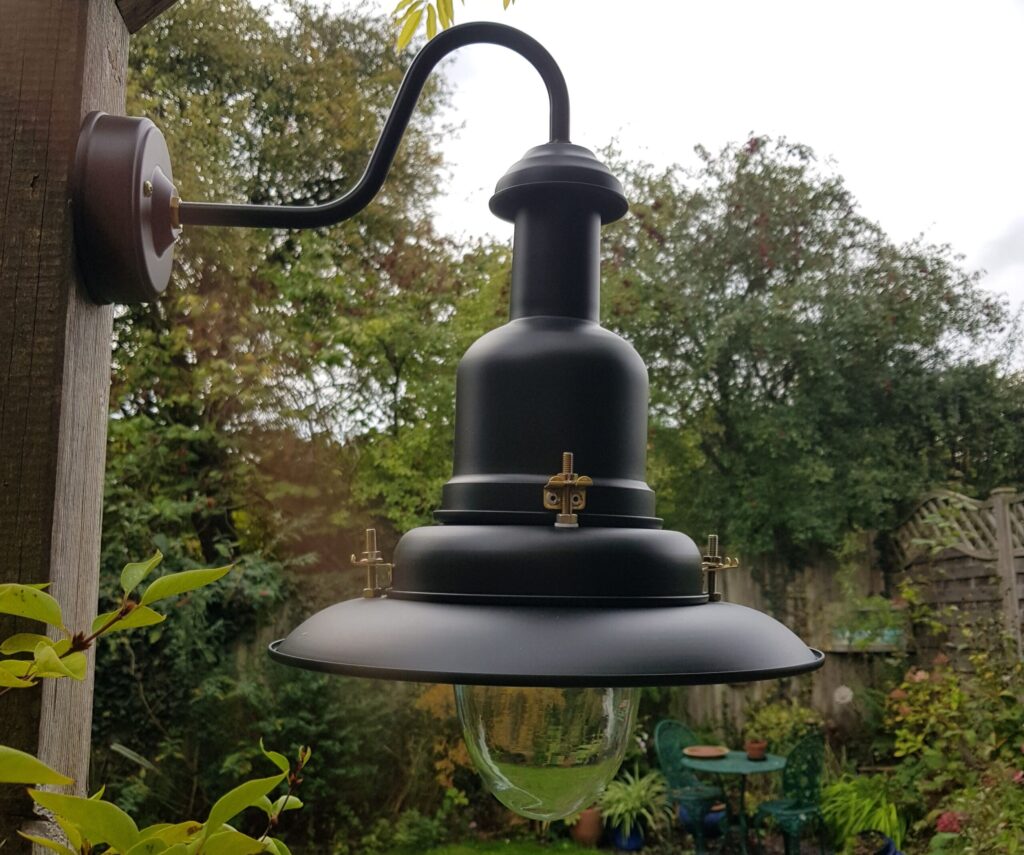
Large Fisherman’s Wall Light IP44 Rated – Matt Black
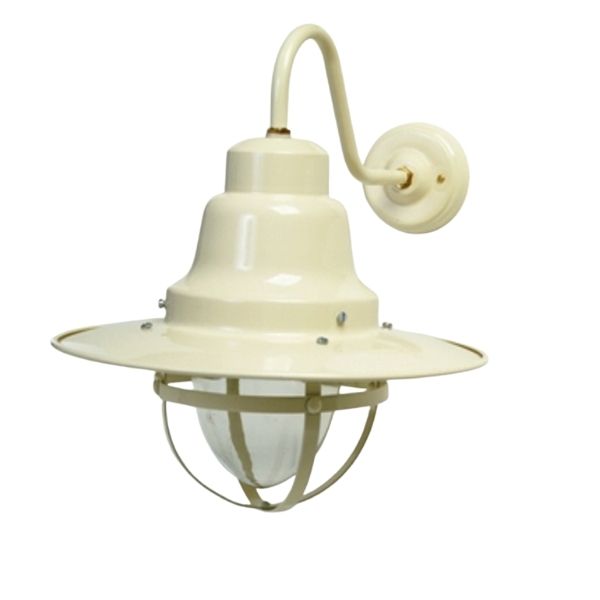
Cream Quayside Wall Mounted IP44 Outdoor Light
Where to Use Swan Neck Wall Lights Outdoors
Front Entrances & Porches
Swan neck wall lights excel at welcoming guests and identifying your entrance with style.
Flanking Front Doors:
Position matching swan neck sconces on either side of your front door at approximately 1.5-1.7m height (eye level). This symmetrical arrangement creates balanced illumination while clearly marking the entrance. The downward light illuminates door handles, locks, and welcome mats without shining directly into visitors’ eyes.
Porch Columns:
For covered porches with supporting columns, mount swan neck lights to column faces rather than walls. This creates distinctive architectural accent lighting while providing excellent coverage across porch areas.
Address Number Illumination:
Single swan neck fixtures positioned above or beside house numbers ensure visibility for deliveries and emergency services while adding design detail to otherwise plain wall surfaces.
Pro Tip: Choose warm white bulbs (2700K) for entrance lighting. The welcoming glow feels inviting and flattering, while cooler temperatures can appear institutional.
Garage & Outbuilding Walls
Practical illumination for working areas with character that standard security lights cannot match.
Garage Doorways:
Mount swan neck lights at lintel height above garage doors. The projected light illuminates driveways and garage interiors when doors open, providing excellent task lighting for evening access.
Garden Shed Entrances:
Transform utilitarian sheds into charming garden features with weatherproof swan neck sconces flanking doors. This provides practical illumination for evening tool retrieval while adding vintage character.
Workshop Lighting:
Position larger swan neck fixtures above workshop benches visible through windows. The industrial aesthetic complements working buildings while providing genuinely useful task lighting.
Garden Walls & Boundaries
Create ambient illumination along boundaries while defining your property with architectural light features.
Boundary Wall Lighting:
Space swan neck sconces at 3-4 meter intervals along garden walls. The overlapping pools of downward light create continuous illumination perfect for evening garden strolls while emphasizing wall textures and materials.
Retaining Wall Features:
Highlight terraced gardens and level changes with swan neck lights mounted to retaining wall faces. The projected light illuminates pathways below while the fixtures themselves become vertical design features.
Garden Room Exteriors:
Illuminate garden room walls with swan neck sconces positioned to light seating areas and pathways. The vintage-industrial aesthetic suits both traditional and contemporary garden buildings beautifully.
Outdoor Dining & Entertaining Areas
Create atmospheric lighting for alfresco dining and evening gatherings.
Patio Walls:
Mount swan neck lights at intervals around covered patio perimeters. The indirect, downward-focused light creates ambient illumination perfect for entertaining without harsh brightness that interferes with conversation.
Pergola Posts:
Attach swan neck fixtures to pergola support posts for three-dimensional lighting that defines outdoor rooms. This works particularly well when combined with overhead string lighting for layered illumination.
Outdoor Kitchen Areas:
Position swan neck wall lights above outdoor cooking stations and prep areas. The projected, downward-facing light provides excellent task lighting for food preparation while the robust construction withstands cooking heat and moisture.
Commercial & Hospitality Applications
Swan neck wall lights bring heritage character to commercial properties while meeting demanding performance requirements.
Restaurant Exteriors:
Create inviting entrance areas and illuminate outdoor dining spaces with traditional swan neck sconces that evoke timeless hospitality.
Boutique Hotels:
Line walkways and illuminate building facades with coordinated swan neck fixtures that establish distinctive character and brand identity.
Retail Entrances:
Welcome customers with elegant swan neck lighting that suggests quality and attention to detail before they enter your business.
Pub & Inn Exteriors:
Perfect for traditional and contemporary public houses, swan neck lights deliver authentic heritage atmosphere with modern reliability.
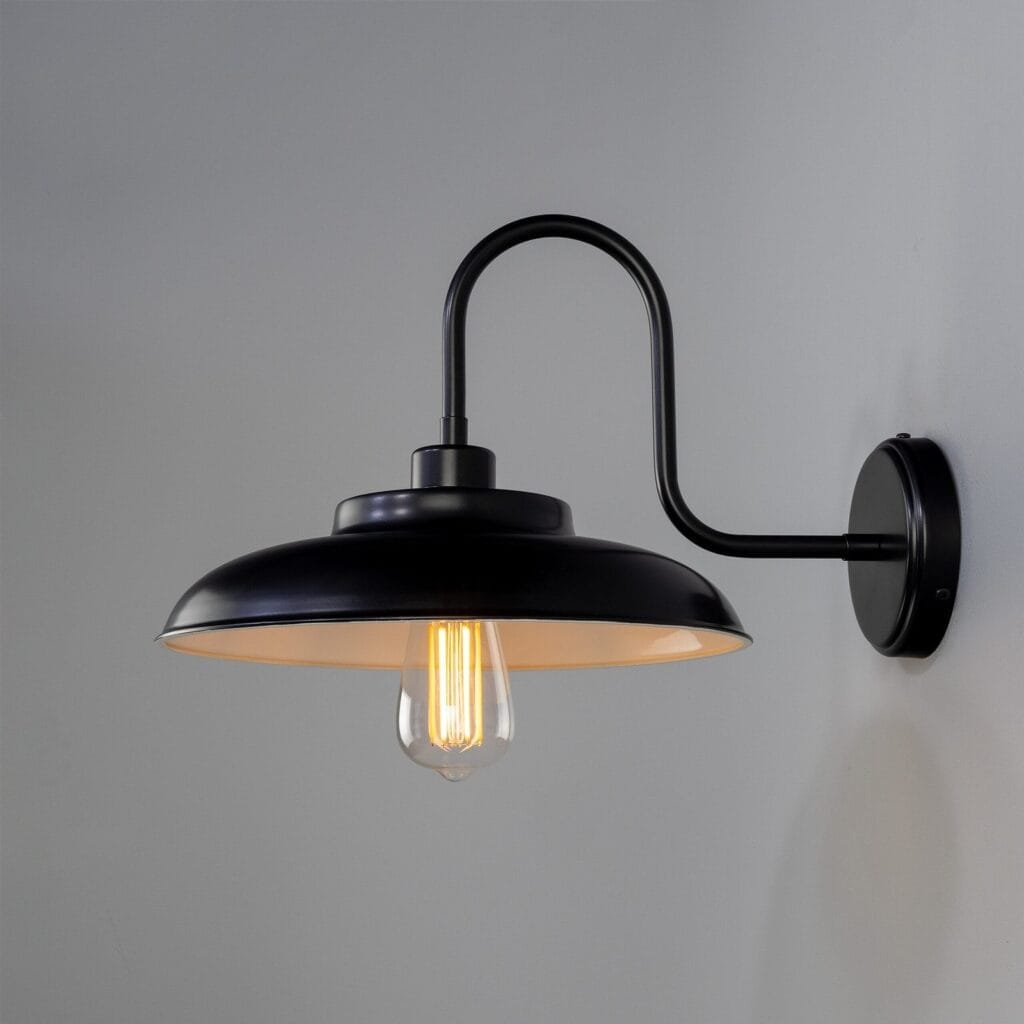
Telal Goose Neck Wall Light Black or Brass
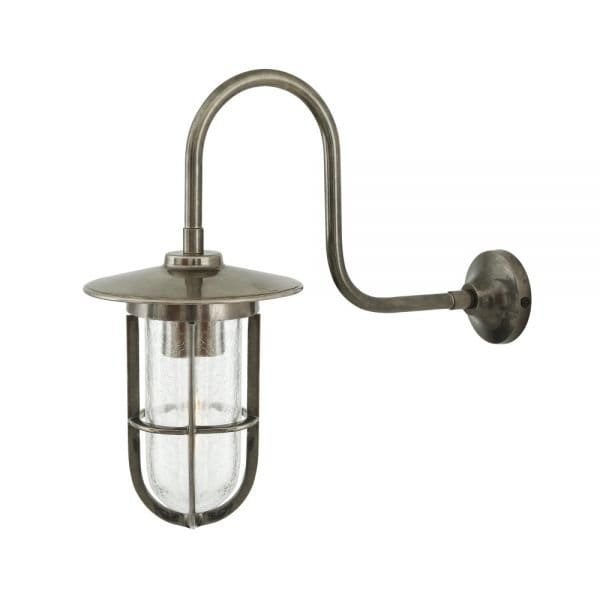
Fabo Swan Neck Well Glass Wall Light IP65
Swan Neck Wall Light Styles & Finishes
Traditional Maritime & Nautical Styles
Characteristics:
Authentic dock light designs with protective cages, robust construction, and maritime heritage detailing. Often feature brass or bronze finishes with antiqued patinas.
Best For:
Coastal properties, traditional country homes, heritage buildings, nautical-themed interiors, properties seeking authentic period character.
Popular Finishes:
Antique brass, weathered bronze, traditional cream, heritage black.
Shop Traditional Swan Neck Lights →
Contemporary Industrial Styles
Characteristics:
Clean lines, minimal ornamentation, exposed bulb designs, utilitarian aesthetic inspired by factory and warehouse lighting.
Best For:
Modern urban properties, converted industrial buildings, contemporary architecture, minimalist design schemes, loft-style homes.
Popular Finishes:
Matt black, slate grey, brushed aluminium, polished steel, raw metal.
Coastal Cottage Styles
Characteristics:
Soft colours, weathered appearances, relaxed proportions, and beachy design details that evoke seaside living.
Best For:
Beach houses, coastal cottages, properties near water, holiday homes, relaxed country properties.
Popular Finishes:
Seaspray blue, chalk white, traditional cream, soft grey, weathered finishes.
Heritage & Period Styles
Characteristics:
Ornate detailing, classic proportions, authentic historical design references, premium finishes that suggest quality craftsmanship.
Best For:
Period properties, conservation areas, listed buildings, traditional architecture, properties maintaining historical authenticity.
Popular Finishes:
Aged brass, oil-rubbed bronze, heritage green, Victorian black.
Shop Our Swan Neck Wall Lights Collection →
Choosing Finishes for Outdoor Durability
Powder-Coated Colours
Our outdoor swan neck wall lights feature professional-grade powder coating that delivers exceptional weather resistance and colour longevity.
Available Colours:
Matt Black:
Contemporary sophistication with industrial edge. Excellent heat absorption in sunny locations. Shows dust less than lighter colours. Pairs beautifully with modern architecture and contrasting light-coloured walls.
Slate Grey:
Versatile neutral that bridges traditional and contemporary styles. Ideal for properties with mixed material facades (brick and render, stone and wood). Less stark than black, less maintenance than white.
Chalk White:
Clean, coastal aesthetic perfect for beach properties and contemporary homes. Creates striking contrast against dark walls. Requires occasional cleaning in urban or industrial areas but delivers fresh, bright appearance.
Seaspray Blue:
Authentic coastal colour with nautical heritage. Particularly suited to seaside properties, beach houses, and homes evoking holiday atmospheres. Adds personality without overwhelming design schemes.
Traditional Cream:
Timeless warmth for country properties and traditional homes. Complements natural materials like brick, stone, and timber beautifully. Creates softer contrast than white while maintaining classic appeal.
Pro Tip: Consider your wall colour when selecting finishes. Dark fixtures pop against light walls; light fixtures create subtle contrast on dark surfaces. For red brick, slate grey and matt black work particularly well.
Industrial Metal Finishes
Brushed Aluminium:
Raw industrial aesthetic with modern appeal. Aluminium naturally resists corrosion—ideal for coastal areas with salt air exposure. The brushed texture hides fingerprints and minor scratches better than polished finishes.
Polished Aluminium:
Reflective, mirror-like surface creates dramatic light reflection. Requires more maintenance to preserve shine but delivers striking contemporary impact. Best suited to covered locations to minimize water spotting.
Antique Brass:
Warm metallic finish with aged patina suggesting heritage and quality. Develops natural patina over time, enhancing character. Ideal for traditional properties and period architecture.
Weather Resistance & Longevity
All our outdoor swan neck wall lights feature:
- Marine-Grade Materials: Aluminium construction that won’t rust or corrode
- Professional Powder Coating: Multi-stage application process for chip-resistant durability
- Sealed Electrical Components: Protection from moisture ingress and weather exposure
- UV-Resistant Finishes: Colours that resist fading under constant sun exposure
- Impact-Resistant Glass: Toughened glass shades that withstand accidental impacts
Expected Lifespan: 15-25 years with minimal maintenance in typical outdoor conditions. Coastal properties may require more frequent cleaning but the fixtures themselves remain structurally sound for decades.
Shop Our Swan Neck Wall Lights Collection →
Technical Specifications & Requirements
IP Ratings for Outdoor Use
All our outdoor swan neck wall lights meet minimum IP44 rating, with many exceeding this for enhanced weather protection.
IP44 (Minimum for Outdoor Use):
Protected against solid objects larger than 1mm and water splashing from any direction. Suitable for covered locations—under eaves, within porches, beneath pergolas.
IP54 (Enhanced Protection):
Dust-protected and splash-proof from all angles. Suitable for more exposed locations but still benefit from some overhead protection.
IP65 (Full Weather Exposure):
Completely dust-tight and protected against water jets from any direction. Suitable for fully exposed locations—open walls, garden boundaries, areas receiving direct rainfall.
Practical Application: For most residential entrance areas and covered patios, IP44 suffices. For garden walls, boundary lighting, and fully exposed locations, choose IP65-rated fixtures for long-term reliability.
Electrical Requirements
Voltage: 220-240V mains power (standard UK domestic supply)
Bulb Fitting: E27 Edison Screw (standard screw fitting)
Maximum Wattage: Typically 60W maximum, though LED equivalents use far less actual power
Installation: Requires connection to mains electrical supply. Professional electrician installation recommended to ensure compliance with UK electrical regulations (Part P Building Regulations).
Switching: Can be operated via standard wall switches, outdoor-rated switch boxes, photocell sensors (automatic dusk/dawn operation), or motion sensors for security applications.
Recommended Bulb Specifications
For General Outdoor Lighting:
- LED 6-9W (equivalent to 60W incandescent) Clear / Pearl
- 800-1000 lumens output
- Warm White 2700K colour temperature
- Dimmable if using dimmer switches
For Security & Task Lighting:
- LED 8-10W (equivalent to 75W incandescent)
- 1000-1200 lumens output
- Daylight White 4000K colour temperature
- Instant-on LED technology (no warm-up delay)
For Ambient & Decorative Lighting:
- LED 4-6W (equivalent to 40W incandescent) Clear / Pearl
- 600-800 lumens output
- Extra Warm White 2400K colour temperature
- Filament-style LED for vintage aesthetic
Energy Efficiency: LED bulbs use 80% less electricity than incandescent equivalents while lasting 15-25 years under normal use. Initial investment in quality LED bulbs pays for itself within 1-2 years through reduced energy costs.
Mounting & Installation Dimensions
Typical Measurements:
- Back Plate: 10-15cm diameter or square
- Arm Projection: 20-40cm from wall face
- Overall Height: 25-50cm depending on shade size
- Shade Diameter: 20-35cm typical range
- Weight: 2-5kg depending on size and materials
Mounting Height Recommendations:
- Entrance Lighting: 1.5-1.7m (eye level) for balanced illumination
- Pathway Lighting: 1.8-2.2m for optimal downward coverage
- Security Lighting: 2.2-2.7m to discourage tampering while maintaining coverage
- Decorative Accent: Variable depending on architectural features being highlighted
Installation Surface Requirements:
Solid masonry (brick, stone, concrete block), timber framing with appropriate backing, or rendered walls with secure fixings into underlying structure. Lightweight cladding requires additional backing support.
Professional Installation vs. DIY
When Professional Installation Is Essential
Legal Requirements:
In the UK, outdoor electrical installations must comply with Part P Building Regulations. While some simple replacements qualify as exempt, new circuits or extensions typically require certification by qualified electricians.
Professional Installation Recommended For:
- New electrical circuits from consumer unit (fuse box)
- Underground cable burial for remote fixtures
- Integration with existing security or automation systems
- Listed buildings or conservation area properties
- Commercial installations requiring certification
- Any situation where you’re uncertain about electrical safety
Typical Installation Costs:
Expect £100-200 per fixture for straightforward installations (existing cable available). New circuits add £200-400 depending on cable run length and complexity.
DIY-Friendly Scenarios
Simple Replacements:
If you’re replacing existing outdoor wall lights with similar fixtures and cables are already in place, this often qualifies as straightforward DIY for competent individuals familiar with basic electrical work.
Essential Safety Requirements:
- Isolate circuit at consumer unit before starting work
- Test cables with voltage detector to confirm isolation
- Ensure IP-rated cable connections within fixture
- Use appropriate outdoor-rated cable and connectors
- Verify earth connections are secure
- Seal cable entry points against water ingress
When in Doubt: Always consult qualified electrician. Outdoor electrical work involves additional weather-related risks that indoor installations don’t face. Professional installation ensures safety, weatherproofing, and regulatory compliance.
Styling Swan Neck Wall Lights: Design Ideas
Symmetrical Paired Arrangements
Flanking Doors & Windows:
Position matching swan neck sconces on either side of architectural features at equal heights and distances from centre. This creates balanced, formal composition suited to traditional and classical design styles.
Garage Doors:
Frame double garage doors with four fixtures—one each side of each door at lintel height. The repetition creates rhythm and visual continuity across wide wall expanses.
Asymmetrical Contemporary Placement
Staggered Heights:
Mount fixtures at varying heights along walls to create dynamic, contemporary composition. This works particularly well with industrial-style swan neck lights in modern architectural settings.
Clustered Groupings:
Position 2-3 swan neck lights in close proximity at different angles and heights. This creates sculptural lighting installations that serve as outdoor art pieces.
Flanking Doors & Windows:
Position matching swan neck sconces on either side of a doorway at equal heights and distances from centre. This creates balanced, formal composition suited to traditional cottage and classical design styles.
Integrated Pathway Lighting:
Combine wall-mounted swan neck fixtures with ground-level pathway lights. The multiple height levels create depth and comprehensive coverage for outdoor spaces
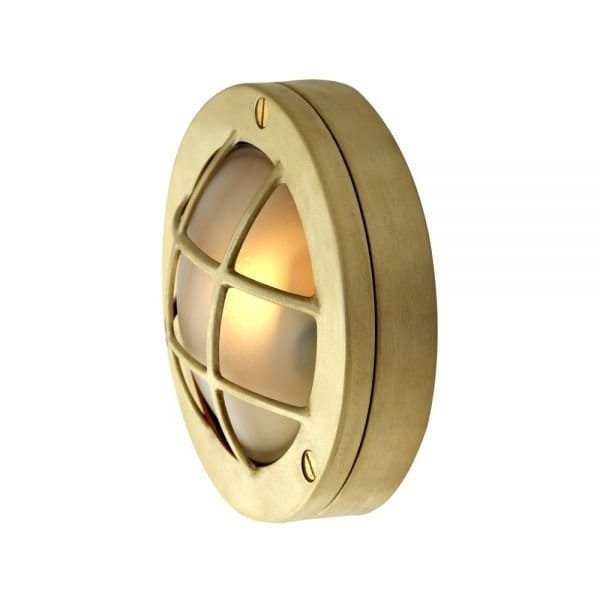
Mixing with Other Lighting Styles
Combining with Flush Wall Lights:
Use swan neck fixtures as primary illumination supplemented by smaller flush-mounted accent lights. This layered approach provides flexibility for different lighting scenarios.
Coordinating with Pendant Lights:
Match swan neck wall lights with similar-style pendant lights for covered patio areas. Coordinated fixtures create cohesive outdoor rooms with interior-like sophistication.
Integrated Pathway Lighting:
Combine wall-mounted swan neck fixtures with ground-level pathway lights. The multiple height levels create depth and comprehensive coverage for outdoor spaces.
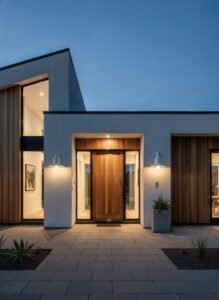
Colour can define your style
- White Harbour Lights – enhance a modern entrance
- Seaspray Fisherman’s Light – for a coastal property
- Slate Grey Wall light – for a contrasting look
- Satin Matt Black – for a sophisticated look
Shop Our Swan Neck Wall Lights Collection →
Colour & Finish Coordination
Matching Architectural Hardware:
Coordinate light fixture finishes with door hardware, window frames, downpipes, and other exterior metalwork for cohesive appearance.
Contrasting Wall Colours:
Use dark fixtures against light walls for striking contrast, or light-coloured fixtures on dark walls for subtle sophistication.
Complementing Natural Materials:
Brass and bronze finishes complement brick, stone, and timber beautifully. Industrial finishes suit concrete, render, and contemporary cladding.
Maintenance & Care for Outdoor Swan Neck Lights
Regular Cleaning Schedule
Monthly Quick Clean:
- Wipe glass shades with damp microfiber cloth
- Remove cobwebs from fixture recesses
- Check for insect nests in shaded areas
- Dust metal surfaces
Quarterly Deep Clean:
- Remove glass shades (where removable)
- Clean glass inside and out with glass cleaner
- Wipe metal components with mild detergent solution
- Rinse thoroughly and dry immediately
- Check mounting screws remain tight
Annual Inspection:
- Verify all seals and gaskets remain weathertight
- Check cable entry points for deterioration
- Inspect for rust or corrosion (though aluminium resists both)
- Test bulbs and replace if dimming
- Verify motion sensors and controls function correctly
Bulb Replacement
LED Advantages:
Modern LED bulbs last 10 – 15 years under typical use, (some a lot longer), meaning you’ll replace them far less frequently than traditional incandescent or halogen bulbs. When replacement becomes necessary:
- Isolate power at consumer unit
- Allow bulbs to cool completely (if recently on)
- Remove glass shade according to fixture design
- Unscrew old bulb, noting wattage and fitting type
- Install new LED bulb matching original specifications
- Replace glass shade and seal
- Restore power and test operation
Pro Tip: Keep spare bulbs on hand matching your specific fixtures. This avoids evening trips to shops when bulbs fail unexpectedly.
Seasonal Maintenance
Autumn Preparation:
Clean fixtures thoroughly before winter to remove summer dust and debris. Check seals withstand increased rainfall. Trim back vegetation that has grown during summer months.
Winter Protection:
Ensure snow and ice cannot accumulate on horizontal surfaces. Check that drainage holes (if present) remain clear for water runoff.
Spring Refresh:
Clean away winter grime and check for any weather damage requiring attention. Replace any failed bulbs before outdoor season begins.
Summer Checks:
Monitor for overheating in direct sun exposure (rare with LED bulbs but worth checking). Ensure adequate ventilation around enclosed fixtures.
Addressing Common Issues
Flickering Lights:
Check bulb fitting is secure. Verify electrical connections remain tight at fixture terminal block. If problem persists, consult electrician as underlying wiring may have deteriorated.
Water Ingress:
If moisture appears inside glass shades, check seal integrity and cable entry points. Reapply silicone sealant if necessary. Persistent problems suggest compromised IP rating—consider fixture replacement.
Discolouration:
Powder-coated finishes resist fading, but extreme UV exposure over decades may cause slight colour shift. Clean thoroughly first—often apparent discolouration is actually accumulated dirt. For genuine fading, professional refinishing is possible but replacement often proves more economical.
Glass Damage:
Replacement glass shades are available for most fixtures. Contact us with your fixture model for compatible replacements. This extends fixture life far beyond single breakage incidents.
Frequently Asked Questions About Swan Neck Wall Lights
What’s the difference between swan neck and gooseneck lights?
They’re the same thing – simply different names for wall lights featuring characteristic curved bracket arms. “Swan neck” emphasizes elegance; “gooseneck” focuses on the functional curved design. Both terms describe identical fixture styles.
Can swan neck wall lights be used indoors?
Absolutely. While designed for outdoor durability, swan neck lights work beautifully indoors, particularly in industrial-style interiors, commercial spaces, and rooms seeking vintage character. Indoor use extends fixture life as there’s no weather exposure.
Explore our All our swan neck lights
How far should swan neck lights project from the wall?
Most residential swan neck fixtures project 25-35cm from wall faces. This provides adequate light projection without obstructing pathways. For narrow corridors or compact entrances, choose shorter projection models (20-25cm). Larger commercial applications may use 40cm+ projections.
Are LED bulbs compatible with swan neck wall lights?
Yes—all our swan neck fixtures accommodate standard E27 LED bulbs. LED technology provides energy efficiency, longevity, and reduced heat output compared to traditional incandescent bulbs. Always verify maximum wattage rating before installation.
Read How to Choose Your Light Bulb
What IP rating do I need for UK outdoor conditions?
Minimum IP44 for covered locations (under eaves, porches). IP65 recommended for fully exposed positions receiving direct rainfall. British weather demands robust weatherproofing—choose higher ratings for long-term reliability and reduced maintenance.
Can I install swan neck lights myself?
Simple replacements of existing fixtures may qualify as DIY for competent individuals. However, new circuits or extensions typically require professional electrician certification under Part P Building Regulations. When uncertain, always choose professional installation for safety and legal compliance.
Simple Installation Guide
How do I clean outdoor swan neck wall lights?
Monthly: wipe with damp cloth. Quarterly: remove glass shades and clean with glass cleaner, wipe metal with mild detergent solution, rinse and dry thoroughly. Annual: deep clean plus full inspection of seals, cables, and mountings. Avoid abrasive cleaners that damage powder coating.
What’s the best colour temperature for outdoor wall lights?
Warm white (2700K) creates inviting, welcoming atmosphere—ideal for entrance areas and entertaining spaces. Daylight white (4000K) provides crisp illumination for security and task lighting. Choose based on primary function and desired ambiance.
How long do outdoor swan neck lights last?
Quality fixtures with proper maintenance last 15-25 years. Powder-coated aluminium construction resists corrosion indefinitely. LED bulbs last 15-25 years under typical use. Replacing fixtures becomes aesthetic choice rather than necessity—they genuinely last decades.
Can I use swan neck lights in coastal areas with salt air?
Yes—marine-grade aluminium construction specifically resists salt corrosion. Choose IP65 rating for maximum weather protection. Coastal properties should clean fixtures more frequently (monthly) to remove salt deposits, but the fixtures themselves withstand harsh conditions beautifully.
Do swan neck lights work with smart home systems?
Yes—connect to smart switches, smart bulbs, or smart plugs to enable app control, voice commands, schedules, and automation. Most swan neck fixtures work with standard automation provided they’re connected to controllable circuits or use compatible smart bulbs.
Are replacement glass shades available if damaged?
Yes, we stock replacement glass shades for all our swan neck fixtures. Contact us with your fixture model for compatible replacements. Glass availability extends fixture life significantly, making quality swan neck lights excellent long-term investments.
Transform Your Outdoor Spaces with Timeless Swan Neck Lighting
Swan neck wall lights represent the perfect marriage of heritage design and contemporary performance. Their graceful curved silhouette—born from practical maritime necessity—has transcended its working-class origins to become a design classic equally at home on grand country estates and compact urban properties.
Whether you’re illuminating a welcoming entrance, defining garden boundaries, or creating atmospheric outdoor entertaining spaces, swan neck sconces deliver distinctive character that standard security lights simply cannot match.
Ready to elevate your outdoor lighting?
Explore our carefully curated collection of UK-made swan neck wall lights. Every fixture features weather-resistant construction, professional powder coating, and authentic design details that honor the style’s maritime heritage while meeting modern performance expectations.
Shop Swan Neck Wall Lights → | Browse All Outdoor Lighting → | Want Help Contact Us →