Five Reasons to Choose Hand-Spun Aluminium Lighting: The Quality Difference
When J D Burford describes their fisherman’s pendants as “hand-spun aluminium,” it references a traditional metalworking technique that’s increasingly rare in modern manufacturing. But this isn’t nostalgia for old methods – hand-spinning produces genuinely superior light fittings that last far longer than mass-produced alternatives.
Here’s why this centuries-old craft technique still produces the best maritime lighting you can buy.
What is Metal Spinning?
Metal spinning (or spin forming) is a metalworking process where a flat disc or tube of metal is rotated at high speed on a lathe while a craftsperson applies pressure with specialized tools, gradually forming the metal into a symmetrical shape.
For lighting shades, this means:
- Starting with a flat aluminium disc
- Mounting it on a spinning lathe
- Using hand tools and pressure to gradually form the conical or curved shade shape
- Creating seamless, one-piece construction
It’s part manufacturing, part craft – requiring years of training to master the technique and produce consistent, quality results.
Hand-Spun vs Mass Production Methods
Pressing/Stamping
The process: Flat metal is placed in a die and pressed into shape by hydraulic or mechanical press in a single operation.
Advantages:
- Very fast (seconds per piece)
- Cheap for high volumes
- Consistent (within tolerances)
Disadvantages:
- Creates stress points in the metal
- Limited to simple shapes
- Thinner metal required (thicker metal won’t press cleanly)
- Visible seam lines often present
- Less precise control of wall thickness
Deep Drawing
The process: Metal is pulled into a die cavity by a punch, creating hollow shapes.
Advantages:
- Suitable for deeper forms
- Faster than spinning
- Good for mass production
Disadvantages:
- Requires very thin metal
- Shape limitations
- Stress concentration at corners
- Surface quality varies
Hand-Spinning (Traditional Technique)
The process: Metal formed gradually on a lathe by skilled craftsperson over several minutes per piece.
Advantages:
- Seamless, one-piece construction
- Consistent wall thickness throughout
- Can work with thicker, stronger metal
- Superior strength and durability
- Smooth, flowing forms
- Craftsperson controls quality directly
Disadvantages:
- Slower (minutes vs seconds per piece)
- Requires skilled labour
- More expensive
- Lower production volumes
Why Hand-Spun is Superior for Lighting
1. Seamless Construction
Hand-spun shades are formed from a single piece of metal with no welds, rivets, or joints.
Benefits:
- No weak points where seams might fail
- No corrosion pathways
- Cleaner, more refined appearance
- Structurally stronger overall
Comparison: Mass-produced shades often have visible seam lines, welded joints, or folded edges that can separate over time.
2. Consistent Wall Thickness
The gradual forming process maintains uniform metal thickness throughout the shade.
Benefits:
- Even strength across entire surface
- Consistent heat dissipation from bulbs
- Predictable structural behavior
- No thin spots that fail prematurely
Comparison: Pressed and stamped shades often have variable thickness – thinner at stretching points, creating weak spots.
3. Superior Strength
Hand-spinning work-hardens the metal through the gradual forming process, actually increasing strength.
Benefits:
- More resistant to dents and deformation
- Maintains shape over decades
- Better resistance to thermal cycling from bulbs
- Survives handling and installation better
Comparison: Pressed metal can be work-hardened too, but at the cost of brittleness. Stamped metal may have softened zones.
4. Quality Control
With hand-spinning, each piece is individually formed and inspected by a skilled craftsperson.
Benefits:
- Immediate identification of material flaws
- Adjustment during forming if needed
- Craftsperson’s reputation depends on each piece
- Consistent quality, not just consistency to tolerance
Comparison: Mass production identifies problems after hundreds of pieces are made, with quality control sampling rather than individual inspection.
5. Design Flexibility
Hand-spinning accommodates more complex curves and transitional forms.
Benefits:
- More refined, flowing shapes
- Traditional designs requiring compound curves
- Custom variations possible
- Authentic period reproductions
Comparison: Pressing and stamping are limited to simpler forms. Complex shapes require multiple pieces and joints.
The J D Burford Approach
60+ Years of Metal Spinning
J D Burford isn’t primarily a lighting company – they’re metal spinners who’ve been forming aluminium components for the building industry since the 1950s. Their lighting range benefits from serious metalworking expertise developed over decades.
What this means:
- Craftspeople trained through years of apprenticeship
- Equipment maintained and refined over generations
- Quality standards developed through industrial applications
- Traditional techniques preserved and passed on
Made-to-Order Quality
Because J D Burford manufactures lighting to order, each shade is individually spun:
- Aluminium disc selected and inspected
- Mounted on lathe
- Hand-formed by skilled spinner
- Inspected during and after forming
- Powder-coated only after passing inspection
- Final testing before dispatch
No warehouse stock means no compromising quality to meet inventory targets. Each piece is made fresh when ordered.
Industrial-Grade Materials
J D Burford uses aluminium suitable for architectural applications – not the thinnest gauge that technically works.
Result:
- Thicker, stronger shades
- Better longevity
- More substantial feel and appearance
- Proper protection for electrical components
The Skill Behind Hand-Spinning
Years to Master
Metal spinning isn’t learned in weeks – it requires years of practice to:
- Control pressure and tool angle precisely
- Judge metal behavior and work-hardening
- Achieve consistent wall thickness
- Produce smooth, flowing curves
- Recognize and correct forming problems immediately
Reading the Metal
Experienced spinners feel how the metal responds:
- When it’s work-hardening and needs annealing
- Where pressure needs adjusting
- When the form is achieving correct proportions
- If material flaws exist
This tactile knowledge can’t be programmed into machines – it’s craft expertise developed through thousands of pieces formed.
Traditional Tools, Modern Standards
J D Burford uses traditional spinning lathes and hand tools refined over generations, but applies modern quality standards, measurements, and electrical testing.
Best of both worlds: Traditional craft producing consistently modern quality.
Why It Matters for You
Longevity in Practice
Hand-spun aluminium light fittings realistically last 30-40+ years because:
- Seamless construction means nothing to separate or fail
- Consistent wall thickness prevents weak points
- Superior strength resists daily wear
- Work-hardened metal maintains structural integrity
Compare to pressed/stamped alternatives: Often showing deterioration within 10-15 years, with seams separating, thin spots failing, and structural deformation.
Better Appearance Over Time
Hand-spun fixtures maintain their shape precisely:
- No sagging or deformation
- Curves remain true
- Metal doesn’t fatigue at stress points
- Original proportions preserved
Mass-produced alternatives often show subtle deformation over years – slight sagging, shape changes, stress lines appearing.
Worth the Investment
Hand-spinning adds cost because it requires:
- Skilled labour (fair wages for trained craftspeople)
- Time (minutes per piece vs seconds)
- Individual attention (craftsperson involvement, not machine operation)
But it delivers:
- Lighting that lasts 3-4x longer
- Better appearance throughout its life
- Structural integrity over decades
- True craftsmanship, not just manufacturing
The Modern Context
A Dying Craft
Hand-spinning for lighting is increasingly rare. Most manufacturers moved to pressing, stamping, or deep drawing decades ago for cost efficiency.
Why this matters:
- Fewer craftspeople learning the skill
- Traditional knowledge at risk
- Unique products becoming scarce
- Premium attached to genuine hand-spun work
J D Burford maintaining this craft is genuinely unusual – most UK metal spinners serve industrial/automotive sectors, not lighting.
Machine Spinning Exists
Modern CNC spinning machines can replicate hand-spinning for simple forms. But they:
- Lack the craftsperson’s judgment and adjustments
- Can’t handle material variations as well
- Are economical only for very high volumes
- Still require programming by experienced spinners
For specialty lighting in modest volumes, hand-spinning remains the quality choice.
Identifying Hand-Spun Quality
Visual Indicators
Hand-spun characteristics:
- Seamless construction with no visible joints
- Smooth, flowing curves
- Uniform wall thickness (tap it – sounds consistent)
- Quality feel – substantial weight, solid construction
Mass-produced indicators:
- Visible seam lines or folded edges
- Simpler, more angular forms
- Variable thickness (lighter in areas)
- Feel lighter, less substantial
Manufacturer Claims
Genuine hand-spun:
- Explicitly stated (it’s a selling point)
- Made-to-order or small-batch production
- UK/EU manufacture typically
- Higher price point
- Lead times for manufacture
Mass production:
- Manufacturing method not mentioned
- Immediate availability (warehouse stock)
- Very low prices
- Generic descriptions
- Often imported from Asia
Questions to Ask
When considering metal light fittings:
- Is this hand-spun, pressed, or stamped?
- If they don’t know, it’s not hand-spun
- Hand-spinning is always highlighted
- Where is it manufactured?
- UK/EU more likely hand-spun or quality formed
- Imports almost always pressed/stamped
- What’s the wall thickness?
- Hand-spun uses thicker metal (0.9-1.2mm typical)
- Pressed/stamped often 0.5-0.7mm
- Is it made to order?
- Hand-spun usually made fresh
- Mass production is warehouse stock
The Bottom Line
Hand-spun aluminium lighting costs more because it:
- Requires skilled craftspeople
- Takes time and individual attention
- Uses quality materials
- Produces superior results
But it delivers:
- Seamless, stronger construction
- Fixtures that last 30-40+ years
- Better appearance throughout life
- True craftsmanship, not just manufacturing
- Supporting traditional skills and British manufacturing
When manufacturers like J D Burford specify “hand-spun aluminium,” they’re describing a genuine quality difference – not marketing language, but a fundamental manufacturing choice that affects how your lighting performs for decades.
If you’re investing in lighting for your long-term home, hand-spun construction is the choice that makes sense.
Related Reading:
- Why UK-Made Lighting Costs More (And Why It’s Worth It)
- Powder Coating vs Painting: What’s the Difference?
- J D Burford: 60 Years of British Lighting Craftsmanship
Shop Hand-Spun Lighting:
Fisherman’s Pendant Lights
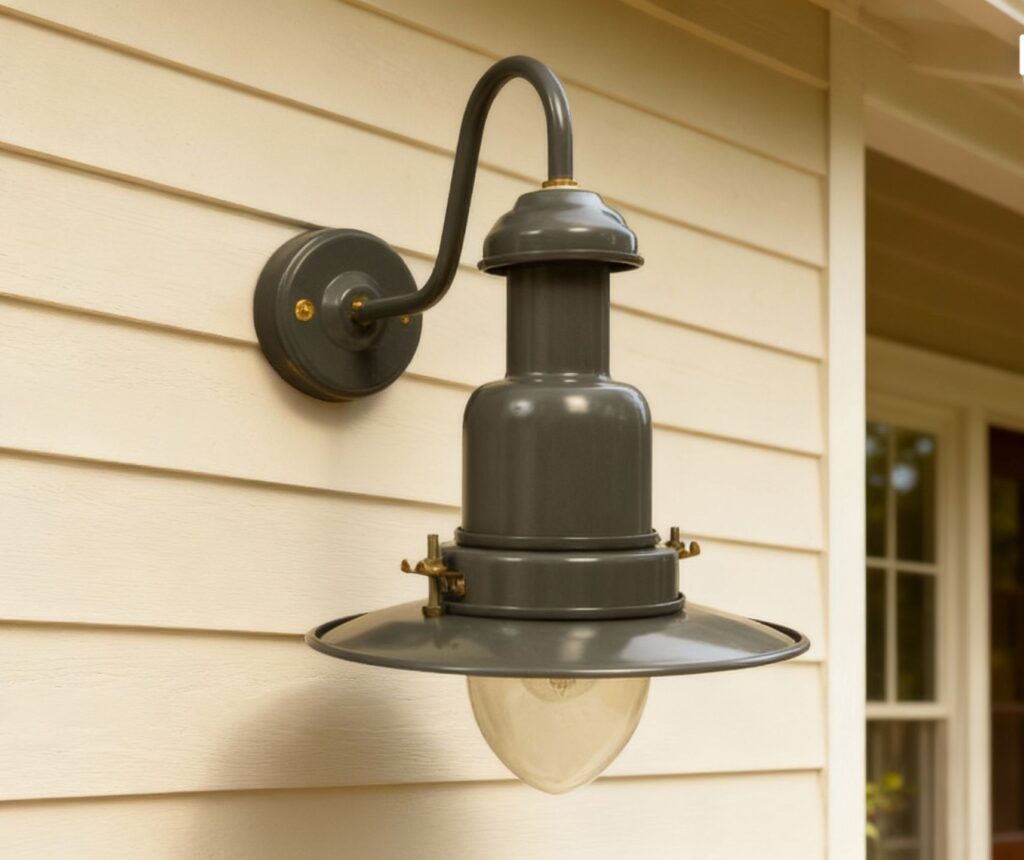
Fisherman’s Wall Lights