Powder Coating vs Traditional Painting
Understanding the superior finish on J D Burford lighting
Powder Coating J D Burford Uses This
Surface Preparation
Aluminium is thoroughly cleaned and pre-treated to ensure perfect adhesion
Electrostatic Application
Dry powder particles are given an electrical charge and sprayed onto the grounded metal surface
Heat Curing
The coated piece is heated to 160-210°C, melting the powder into a smooth, uniform finish
Cooling & Hardening
The finish cools and forms a chemical bond with the metal, creating an incredibly durable surface
Benefits
- Extremely durable and long-lasting
- Resistant to chipping, scratching, and fading
- Even, consistent finish with no drips
- Environmentally friendly (no VOCs)
- Better value over the lifetime of the product
- Maintains appearance for decades
Traditional Painting
Surface Preparation
Metal is cleaned and sometimes primed
Paint Application
Liquid paint is sprayed or brushed onto the surface in multiple coats
Air Drying
Paint dries through evaporation of solvents, creating a surface layer
Curing Time
Paint may take days to fully cure and harden
Limitations
- More prone to chipping and scratching
- Can fade over time with UV exposure
- May show drips or uneven coverage
- Contains VOCs (harmful to environment)
- Requires repainting sooner
- Less durable overall finish
Why J D Burford Chooses Powder Coating
For over 60 years, J D Burford has been committed to creating lighting that lasts. Powder coating provides a superior finish that maintains its appearance for decades, not just years.
While it costs more to produce, the result is a hand-spun aluminium light fitting with a finish that’s tougher, more beautiful, and far longer-lasting than painted alternatives.
This is the difference between UK craftsmanship and mass-produced lighting.
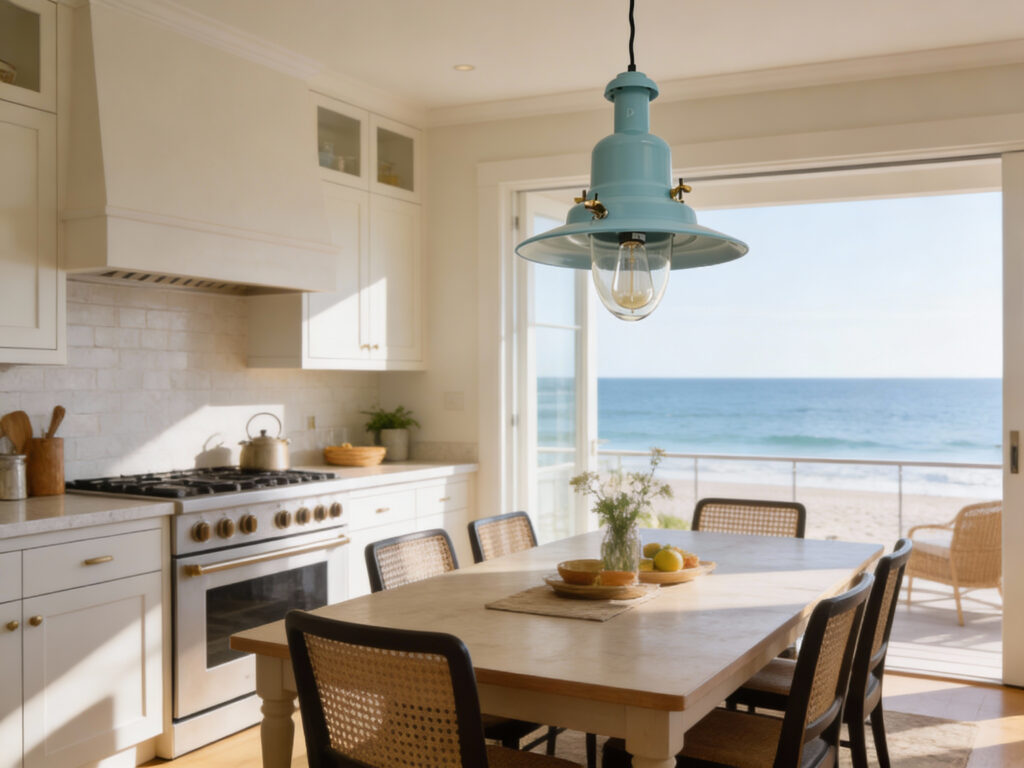
Fisherman’s Pendant Lights
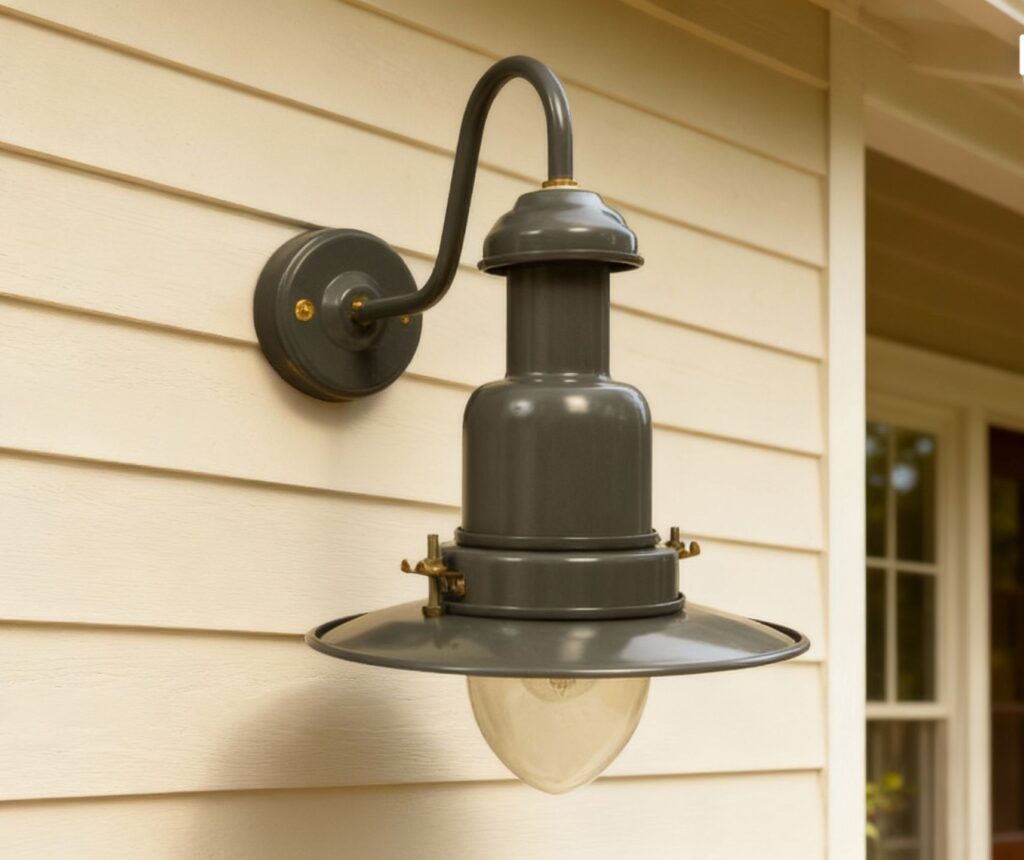
Fisherman’s Wall Lights